PreviewsIssue 87, Fall/Winter 2025/26
-
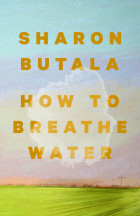
How to Breathe Water
Sharon Butala
In 2021, after a year of pandemic isolation and at the age of 80, Butala joins a friend on a road trip from Calgary to Winnipeg, eager to revisit the Prairies one more time, especially the area in Saskatchewan where she ranched with her husband. Along the way, the sites they visit prompt her to unearth her personal history – her difficult childhood, buried traumas, and complicated relationships.
-
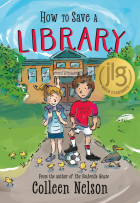
How to Save a Library
Colleen Nelson
With humour and heart, this novel shows how community can come together to make a difference. Now settled in The Gates, Casey is finally starting to feel at home after moving from city to city all his life. When the local library needs extensive and expensive repairs, Casey joins the Kids Community Action Network competition to help raise money.
-
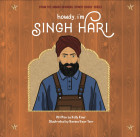
Howdy, I’m Singh Hari
Kelly Kaur, Ravina Kaur Toor (Illustrator)
Telling the life story of Punjabi pioneer Harnam Singh Hari (1883–1969), who through his humility, hard work, and big heart went from a penniless immigrant to one of Calgary’s wealthiest citizens, this picture book also includes a timeline, archival photos, and historical notes.
-
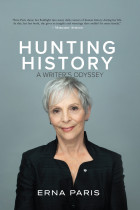
Hunting History
A Writer’s Odyssey
Erna Paris
Blending investigative journalism with memoir, Paris traces a lifelong quest to understand the psychological and cultural forces that shape the best and worst of human behaviour, a quest that includes a visit to a Nazi death camp, encounters with perpetrators of atrocities and their victims, and meetings with determined activists and wily propagandists, exploring how history is remembered, manipulated, and used to guide the future.
-
I Love You Too, I Love You Three
Wendy Tugwood, Sheila McGraw (Illustrator)
This heartwarming bedtime story, told in gently rhyming text, shows a mother and child using a counting game as part of their bedtime routine.
-
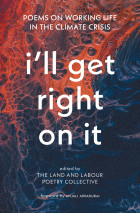
I’ll Get Right On It
Poems on Working Life in the Climate Crisis
The Land and Labour Poetry Collective (Editor)
This anthology uses poetry as a tool for building solidarity and climate justice among working people. The poets included are incredibly diverse in jobs, backgrounds, and perspectives, including Indigenous, migrant, disabled, queer, and racialized, and the poems range in form from spoken word to concrete, pantoum to free verse, and protest song to prose poems.
-
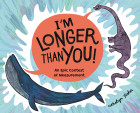
I’m Longer than You!
An Epic Contest of Measurement
Carolyn Fisher, Carolyn Fisher (Illustrator)
An inchworm and a centipede help settle the debate as to whether the blue whale or the supersaurus are longer in this book that presents a fun way to approach measurement. This book has cross-curricular applications to math, science, and social-emotional learning.
-

If I Know Anything about a Knife
Carley Mayson
The speaker of these candid and often brutal poems traces her journey from the traumas of childhood and mental illness, through self-harming and addictions, to withdrawal and rehab and finally a life of love – where windows are still dangerous, as songbirds show, but through which she can now see hope and a future.
-
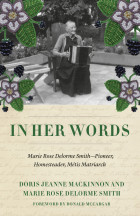
In Her Words
Marie Rose Delorme Smith—Pioneer, Homesteader, Métis Matriarch
Doris Jeanne MacKinnon, Marie Rose Delorme Smith
Part historical biography and part compilation of the written works of Mary Rose Delorme Smith (1861–1960), an accomplished Métis writer, this book puts the wealth of letters, published articles, unpublished manuscripts, and personal documents into historical and social context, and reveals the strength, intellect, and leadership of a Métis matriarch.
-
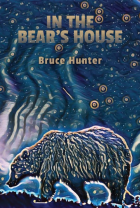
In the Bear’s House
Bruce Hunter
Previously published in 2009, this new edition brings the lyrical novel to new readers. Two perspectives – that of Trout, a Deaf boy from the Calgary subdivision of Ogden, and of his young, artistic mother, Clare – combine to tell the story of Trout as he makes his way from Ogden to the Kootenay Plains wilderness, where he learns from the mountains and the community of Nakoda families, who are facing the destructive effects of the Bighorn Dam construction.