Wîhtamawik – Tell Them: On a Life of Inspiration by Louise B. Halfe – Sky Dancer is a collection that confronts difficult moments in Canadian history, including residential schools, the Sixties Scoop, racism, and intergenerational trauma. However, it is also a celebration of Indigenous resilience, hope, and cultural reclamation.

- Wîhtamawik / Tell Them
- Louise Bernice Halfe – Sky Dancer
- University of Regina Press
- $27.95 Paperback, 288 pages
- ISBN: 978-17-79400-84-0
“We cannot discount these very important topics that correct the mainstream European history. There has been some increase in understanding Indigenous history, past and present. Indigenous peoples have carried a very heavy load and continue to be scapegoated for the problems and costs attached to colonization. I believe in mutual dialogue so we can all learn compassion, empathy and respect.”
Halfe’s own experiences are intentionally woven into this collection. She writes about how her connection to land, language, and spirituality “fell asleep” during her time in residential school, and describes reconnecting with these aspects later in life.
“I returned to the dream place and lived among my people in Kootenay Plains in Alberta during my early twenties. We lived in tipis and tents, lived off the land, and spoke freely with our mother tongue. It was a natural progression to return to ceremony, as having witnessed aspects of it in my childhood. It was in my blood and memory.”
Wîhtamawik offers readers a mix of poetry, essays, and personal stories. This format allows readers to engage with these topics in different ways.
Poetry, for example, in Sky Dancer’s point of view, “does not provide the answers. It asks that one think for themselves and come up with their own ideas and answers. Poetry invites reflection.”
The collection is thoughtfully organized, moving from trauma to recovery to celebration. This was not Halfe’s original intention.
“My inclination was to start the text chronologically. Perhaps this would reflect my own maturation better. However, I turned to others to help me see the other themes, with a loose grouping around the Indian Residential School, recovery through culture and language, writing and sharing the values to move forward in life.”
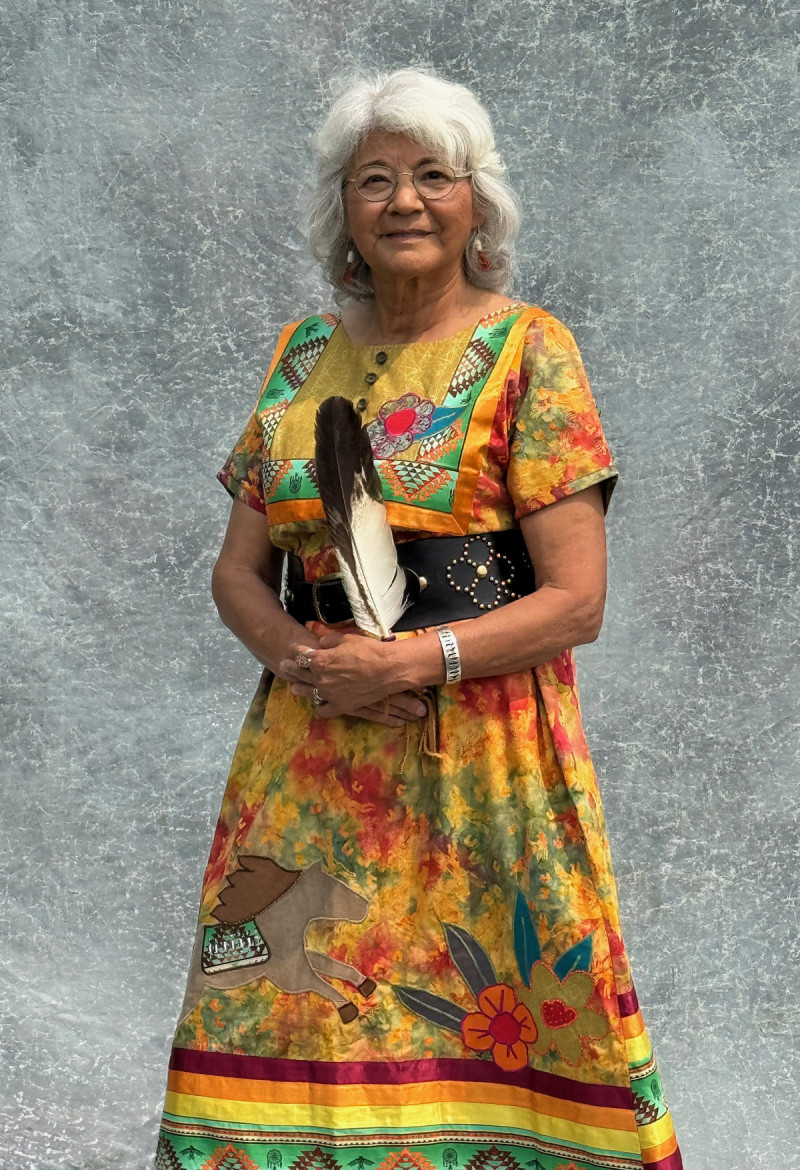
Certain pieces resonate strongly for Sky Dancer, including her daughter’s introduction and her own reflections on the West Coast Trail.
“She blew me away. I have also enjoyed reflecting back on my West Coast Trail experience since I attempted it at the age of 69. The experience was difficult and valuable,” she recalls.
The collection also offered Halfe a chance to reflect on her own experiences and growth.
“I recognize and accept responsibility for all the errors I have made in my lifetime and at times wish I could turn back the clock. However, what is the use of that when those very experiences developed my character to what I hope is to the better good. Growth is a demanding teacher. I am amazed at the life I have been given.”
When asked what she hopes readers, especially younger generations, will take from the book, Sky Dancer pointed to personal reflection and perseverance, stating, “They need to know their parents are not gods nor saints. That even those with grey hair are struggling to improve themselves. They must persevere in life, honour their gifts, and use them in a good way.”